
AI Data Services: From Data Collection and Labeling to Processing
Liyakathali K T
Author
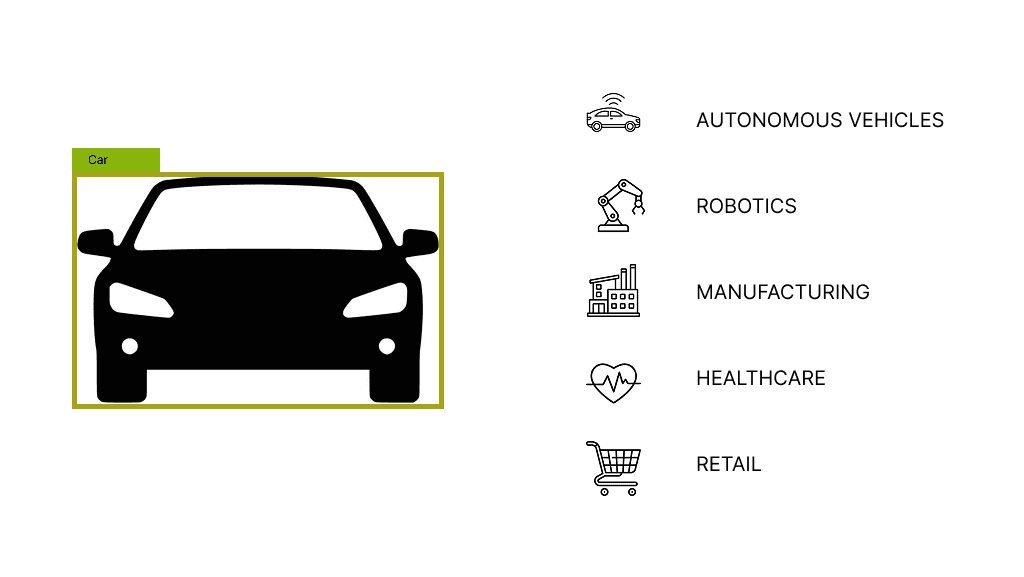
High-quality data is the foundation of reliable artificial intelligence. From collecting raw information to labeling, validating, and preparing datasets, every stage of the data lifecycle can directly influence the performance of machine learning and generative AI systems.
For enterprises building AI products, managing this process internally can be complex and resource-intensive. A specialized AI data partner can help organizations scale data operations while maintaining quality, consistency, and project efficiency.
What Are AI Data Services?
AI data services cover the processes required to create reliable datasets for machine learning and artificial intelligence applications.
These services typically include:
Data Collection
Data Labeling and Annotation
Data Processing
Data Quality Assurance
Dataset Curation
AI Model Evaluation
Human-in-the-Loop workflows
Together, these capabilities help transform raw information into structured, model-ready datasets.
1. AI Data Collection
AI data collection is the first stage of building a high-quality training dataset. Depending on the project, organizations may require image, video, audio, text, sensor, geospatial, or multilingual data.
Common applications include:
Computer vision
Speech and language models
Autonomous systems
Robotics
Healthcare AI
Retail analytics
Generative AI
An effective data collection process focuses on relevance, diversity, consistency, and adherence to project requirements.
Learn more about our Data Collection Services.
2. AI Data Labeling and Annotation
Raw data usually needs to be labeled before it can be used effectively for supervised machine learning.
AI data labeling may include:
Image annotation
Video annotation
Audio transcription
Text annotation
Bounding boxes
Polygon annotation
Semantic segmentation
Keypoint annotation
LiDAR annotation
3D point cloud annotation
OCR
NLP annotation
Accurate labeling helps models learn from meaningful and consistently structured examples.
For enterprise projects, quality assurance is particularly important because annotation inconsistencies can affect downstream model performance.
Explore our Data Labeling Services.
3. AI Data Processing
After data is collected and labeled, it often requires further processing before it is ready for model training or evaluation.
Data processing can include:
Data cleaning
Validation
Formatting
Normalization
Categorization
Deduplication
Dataset organization
Quality checks
Metadata management
The objective is to create structured, consistent, and usable datasets that can be integrated into machine learning workflows.
Discover our Data Processing Services.
Why Data Quality Matters
AI systems learn from the data they receive. Poor-quality, incomplete, inconsistent, or poorly labeled datasets can create challenges during model development and evaluation.
A strong data workflow should therefore focus on:
Accuracy, Consistency, Coverage, Quality Assurance, Scalability
These principles help organizations create datasets that are better aligned with their AI objectives.
Building an End-to-End AI Data Workflow
A typical enterprise workflow can be structured as:
Data Collection, Data Labeling, Data Processing, Quality Assurance Model Training, Evaluation
Managing these stages through a coordinated workflow can improve operational efficiency and simplify large-scale AI data projects.
Why Work With an AI Data Partner?
Partnering with an experienced AI data services provider can help organizations:
Scale data operations faster
Access specialized annotation expertise
Support multiple data modalities
Improve quality assurance processes
Handle large and complex datasets
Reduce operational overhead
Support global and multilingual projects
Loopernode provides AI data services designed to support machine learning and generative AI development across multiple industries and data types.
Frequently Asked Questions
What are AI data services?
AI data services include data collection, labeling, annotation, processing, quality assurance, and other data operations required to develop and evaluate AI and machine learning systems.
Why is AI data labeling important?
Accurate labeling provides structured information that machine learning models use to identify patterns and learn from training examples.
What types of data can be processed?
AI data projects can involve images, video, audio, text, LiDAR, 3D point clouds, geospatial data, and other specialized datasets.
Can AI data services support generative AI?
Yes. Data collection, labeling, evaluation, RLHF, SFT, and other human-in-the-loop workflows can support the development and evaluation of generative AI systems.
Build Better AI With Better Data
From collecting raw data to preparing production-ready datasets, every stage matters.
Loopernode helps organizations build scalable AI data workflows across Data Collection, Data Labeling, and Data Processing.
Explore our AI Data Services : https://loopernode.in/