AI Data Services
AI Data Services: From Data Collection and Labeling to Processing
Liyakathali K T
Author
Share:

The foundation of any successful AI model is high-quality data. However, transforming raw, unstructured information into actionable intelligence requires a rigorous, multi-stage pipeline. In this comprehensive overview, we explore the three critical pillars of AI data services: Data Collection, Data Labeling, and Data Processing.
### 1. Data Collection
The journey begins with sourcing diverse, high-quality data from real-world environments. Whether it's capturing video feeds of urban traffic for autonomous vehicles or recording multi-lingual audio for natural language processing, the collection phase must ensure data is ethically sourced and representative of the target domain.
### 2. Data Labeling
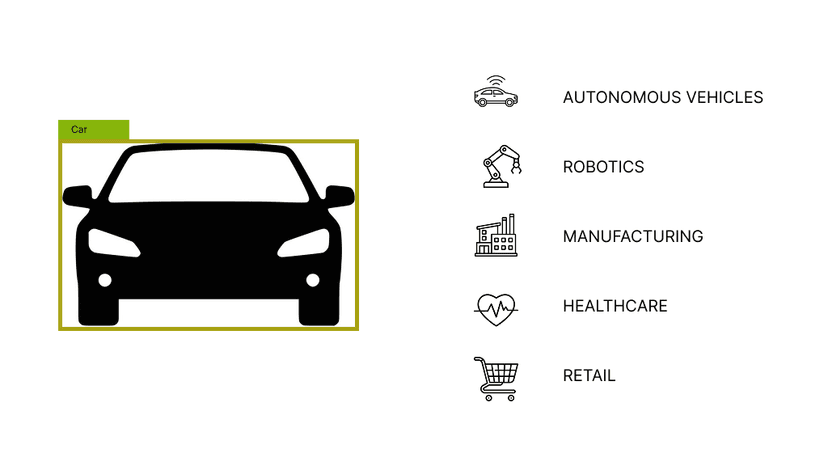
Raw data is essentially invisible to an untrained AI model. Data Labeling involves accurate annotation to teach intelligent models how to interpret the world. This includes creating bounding boxes around pedestrians, segmenting traffic lights, or classifying sentiment in text documents. A skilled, human-in-the-loop workforce ensures the precision required for complex edge cases.
### 3. Data Processing
Even perfectly labeled data must be structured for ingestion. Data Processing involves cleaning, validating, and structuring data for ML/AI workflows. By removing duplicates, normalizing formats, and performing rigorous QA validation, enterprises can guarantee their models are trained on pristine datasets.
By mastering this end-to-end pipeline, organizations can power specialized AI solutions across critical industries such as Automotive, Retail, Healthcare, Robotics, Finance, and Energy.
#Data Collection#Data Labeling#Data Processing#AI Pipeline